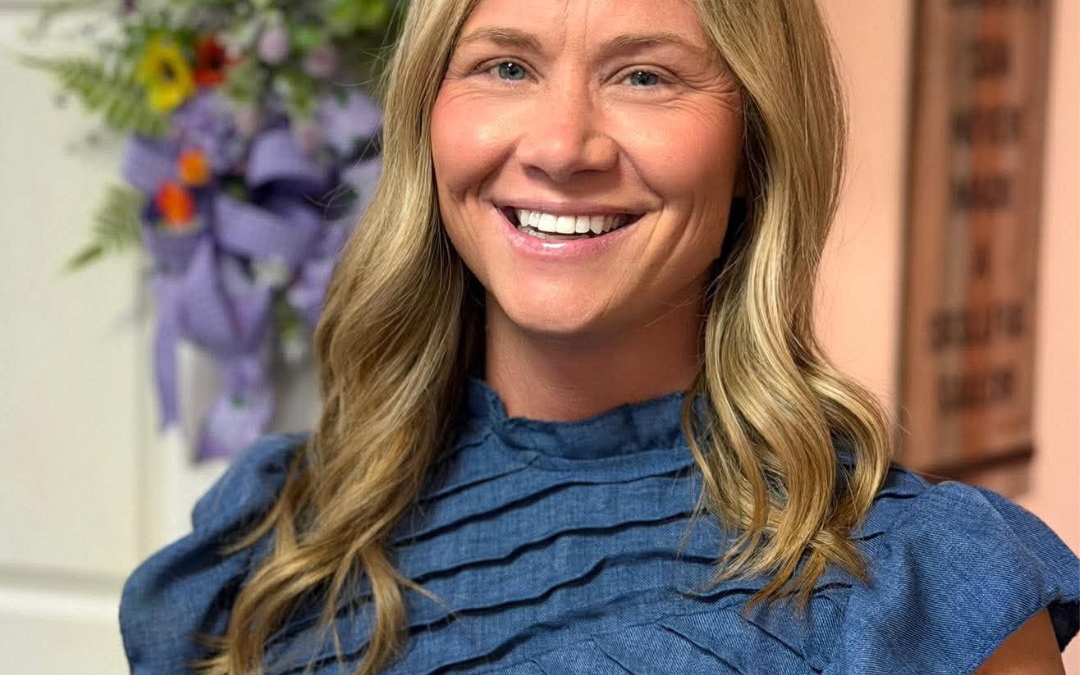
I walked into Celebrate Recovery and thought, I don’t belong here.
I grew up in Phillipsburg, Missouri. A small town farm girl, riding bikes on gravel roads and swimming in ponds. I went to school in Conway all thirteen years.
I was an athlete. I went to church and youth group. I could fit in anywhere.
And on the weekends, I was sneaking around drinking in fields and by the river.
I wanted to belong.
I met Cory in the spring of my senior year of high school. We met at a river party. We broke up a couple of times, but we always ended up back together, and he was living in Lebanon.
I never really had any desire to go somewhere bigger. I love living in a small town, the community here. I wanted my professors to know my name. I went to Ozarks Tech in Lebanon for my general education classes, then transferred to Drury to get my degree in education, some online and some at the campus in St. Robert.
Cory and I got married. We had our first son a few years later.
I’ll never forget sitting on the bathroom floor with that positive pregnancy test and just crying. I wasn’t ready to give up drinking with our friends, going to the river, and going on float trips.
Cory had torn his ACL years before, and had come home from surgery with a pain pump. Then he broke his foot at work. There was always something that hurt, so he’d end up at a doctor’s office again. Back then, a doctor would write you a script for a hangnail.
And the beer fridge in the garage always stayed stocked.
I was nursing, so I wasn’t drinking. He’d stay out, not come home. I was the one staying sober with a newborn.
I loved being a mom. We wanted another baby. And we tried. I had three miscarriages.
I had grown up in church, but in my twenties I had kept God at arm’s length. I still went. I checked the box.
The miscarriages brought me to my knees. I needed something to hold on to.
I started seeking the Lord in a way I hadn’t before.
I gave birth to our second son. But Cory was still struggling, and our marriage was getting shakier.
I got so focused on fixing him that I became this crazy person. Someone I didn’t even like.
I knew I had to do something for myself.
There wasn’t an Al Anon group here, so I found one I could call into. People from all over the country would get on the phone, and eventually I found a sponsor.
That’s where I started my own recovery journey.
I started asking myself, what’s my part in this? What do I need to do for myself? What do I need to surrender to God?
It wasn’t about changing Cory. It was about what was in me that needed to change.
Cory noticed something different in me. He wanted whatever I had found.
That summer, he came to me and said he wanted help too. We found Celebrate Recovery at LifePoint, and we started going on Wednesdays.
I’ll never forget walking through those doors the first time. I thought, I don’t belong here. This isn’t me. It didn’t take long to realize this is where I belong. These are my people.
A few months later, Cory came to me and said, “I messed up.” He had relapsed.
He went to Valley Hope in Boonville. He was gone for three weeks. We leaned on our people at Celebrate Recovery, and they helped us through it.
I’d go visit him, and I’d think, he doesn’t belong here. But he does. He needs to be here.
While he was gone, I was supposed to go to a women’s conference in Ozark. I wasn’t going to go. My husband was in treatment. I had two little boys at home.
But everyone kept telling me, no, you need to go. We’ve got the boys. So I went. That’s where the Lord gave me a vision for a recovery program.
I could see a place that was bright and smelled good. It had this feeling of that moment when your family is there with signs saying welcome home. People would come in and be drawn in. No judgment. A place they would want to stay.
I remember thinking, but how do you do that? I’m a teacher. I didn’t know. I just held on to the vision and kept teaching.
I loved teaching, but I just kept thinking, this isn’t where I’m supposed to be. There’s something else. I started feeling discontent.
Cory was home from treatment, and Celebrate Recovery had become our recovery journey together. We still wanted to grow our family. We had fostered for a while through a kinship situation, and then I lost another baby. This time I was further along. We had a burial.
We knew we couldn’t keep putting ourselves through that loss. We still wanted another child, but I wasn’t going to have another baby.
When it came time to sign my contract for another school year, I didn’t know what to do. My pastor encouraged me to fast and pray about it. On the third day, my first graders were at recess. I was sitting at my desk, starving, thinking, I need to hear from you, God. What am I doing?
I opened my Bible and started reading Isaiah 58, freeing people from chains, feeding people who were hungry, giving shelter to people who needed it and clothing people who didn’t have it.
In that moment, I knew. I didn’t sign the contract.
A few weeks later, someone we knew called us. Her friend was looking for a home for her baby. We met her on Mother’s Day weekend. About a month later, we welcomed a daughter.
A part time position opened up working with preschoolers, just a few days a week. It gave me time at home with the baby while I figured out what came next.
I connected with a woman named Stacy Segebarth, who ran an established nonprofit called Out of the Ashes. I told her about the vision the Lord had given me. She hired me part time as her financial coordinator, and I started learning how the nonprofit world actually worked.
I basically got a paid internship, learning what I would need to build the vision the Lord had given me for our community. Our close knit community, where everybody’s life crosses somewhere.
I knew Lane Austin. My dad and his dad were friends. I had taught his niece in my first grade classroom. His twin sister had bought our house when we moved.
Lane was struggling with substance use, and he wanted help.
He packed his bags. His twin sister started calling inpatient programs, trying to find him a bed.
She couldn’t find one.
On the day of his funeral, his sister got a call from one of the treatment centers. They had a bed for Lane.
All she could say was, “You’re too late.”
Stacy’s husband knew Lane and his family too. He had been telling her, “We’ve got to do something about this.”
I had the vision. Stacy knew how to build a nonprofit.
We got to work.
In June 2019, we opened a walk in center. If someone wanted help with substance use, they could just come in. We would sit down with them and figure out what we could do to help.
Lane’s name needed to be part of it. We didn’t want it to be “too late” for anyone else in our community to get the help they need. We started throwing around ideas, and Stacy came up with Lane Change.
Do something different. Go a different direction. Turn around.
We started out two days a week. Someone could walk through the door, sit down with us and start figuring out what help looked like for them. We had a licensed therapist there, so they could start outpatient services right away.
In our heads, we thought we would mostly make referrals and connections.
But people needed more.
Lane Change grew, even through COVID. We moved into a bigger office. We opened more days. More people became part of what we were doing. This past June, we expanded into Marshfield and opened a second office.
Education is still my heart. When you know better, you should do better. Recovery is a lot of that. Understanding the battle you’re in. Learning what tools and resources are available. Knowing you don’t have to do it alone.
When we formed our board, we wanted people who understood substance use personally. Robert Headley did.
He had watched his daughter, Shayla, struggle with substance use for years. She would have years when she was doing really well, and then years when she struggled.
In July 2022, Shayla lost her battle with substance use.
Her family asked for memorial donations to be made to Lane Change. I asked Robert what he wanted us to do with the money. He said, “We’ll just see.”
That money became the seed for Shayla’s Lighthouse.
Now we’re building the residential program the Lord showed me all those years ago.
Shayla’s Lighthouse will be a place for women who want something different for their lives and are willing to commit to the process of recovery. Recovery is physical. It’s mental. It’s emotional. It’s spiritual. Everyone’s story is going to look different.
It’s going to be a place that feels like welcome home.
That’s what happens when you put your yes on the table. You don’t have to know what it’s going to look like. You don’t have to know how all the pieces are going to fit.
You just have to be willing to say yes.
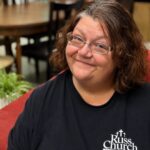
Lauren Mitchell
Lane Change Inc.

Here's how this story is reaching our community.
Voices of Hope
Every person in this community carries a story worth telling. Voices of Hope features the real people of the Missouri Ozarks who show up for children and families, foster parents, caseworkers, volunteers, survivors, and neighbors who simply refused to look away.
Read more Voices of Hope stories →