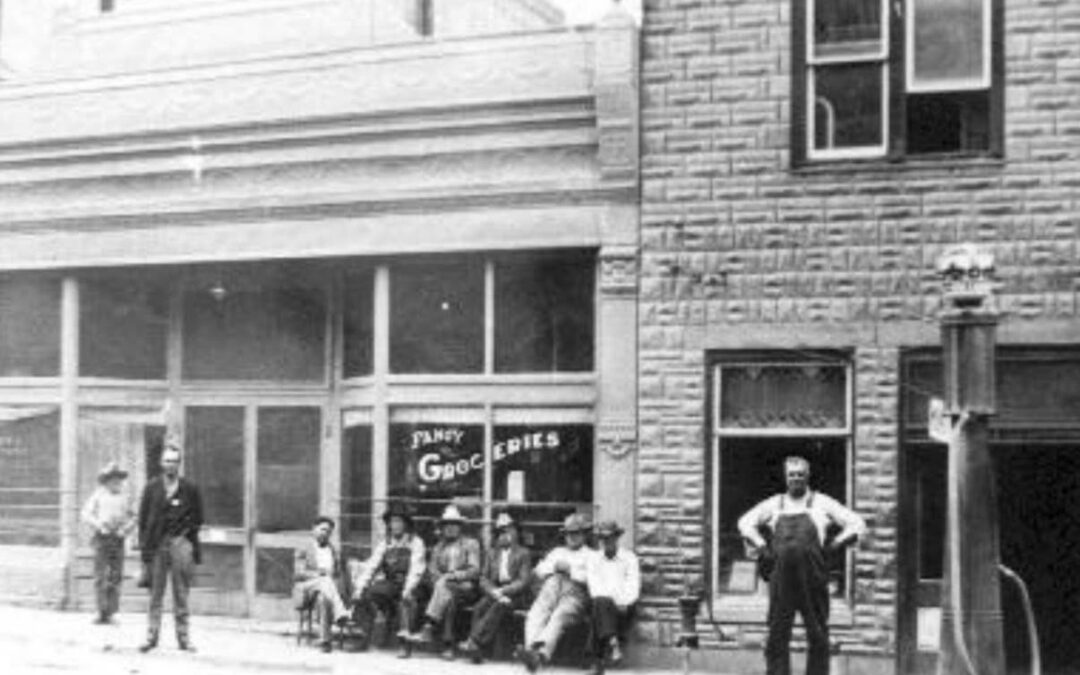
This is what’s at the bottom of the Lake of the Ozarks.
Linn Creek, Missouri. A courthouse. A hotel. A lumber yard. A grocery store where men gathered on a sunny afternoon the way people do in a town where everyone knows you.
For nearly a hundred years, families had put down roots at the confluence of the Osage and Niangua Rivers in Camden County. They raised children, built farms, and lived and died in a place they called home.
Then in the late 1920s, they were told the water was coming.
Union Electric planned to dam the Osage River and flood the valley to create what would, at that time, be the largest man-made lake in the world. Linn Creek, the county seat, the center of everything, would disappear. It was a lot to ask of a community that had been there for a hundred years.
By February 1931, Bagnell Dam was complete. In March, the water started rising.
Families packed what they could carry. Some moved entire houses to higher ground. The Methodist congregation dismantled their church and carried the stained glass windows up the hill, where they built again.
But the people didn’t scatter. Some settled three miles up the creek and kept the name Linn Creek. Others went further and built an entirely new town. Camdenton became the county seat and grew into what it is today. The roots of that community are under fifty feet of water.
They lost their town. They didn’t lose themselves.
They moved what they could carry. They left what they couldn’t. They found higher ground and they built again, not because it was easy, but because that’s what you do in the Ozarks.
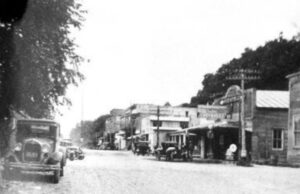
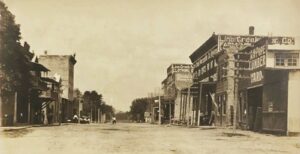
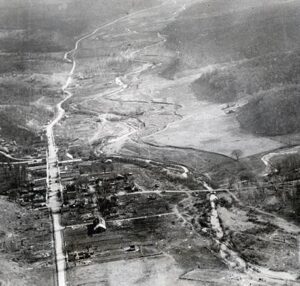
——-
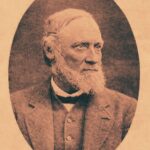
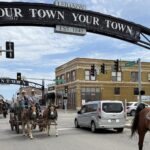
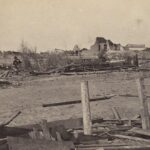
Photos courtesy of freepages.rootsweb.com of Mrs. Sharon Shipman, the Ozarks History, Families, and Photographs Facebook group, posted by William Ananya Miller, October 2023. Aerial photo courtesy of dammingtheosage.com, photo credit ACME, 1931. Historical photos are shared for educational and community purposes.

This is the Ozarks
Every place carries a story. This is the Ozarks about the history, character, and landscape of the Missouri Ozarks — the towns, the roads, and the people that shaped who we are and why it still matters.
Read more Ozarks stories →