All I heard was “help.” I needed to be on the other side of that radio.
I grew up at the Lake of the Ozarks as just your normal average Ozark kid. After school I worked in the hospitality industry from a hostess, server, and bartender. One day I decided I wanted something different. I ended up dispatching at Lake Ozark Police Department.
One night all five of my officers were at Denny’s enjoying their dinner break. A fight call came in across the street. They all went. Less than a minute after the status check came back clear, the radio broke open.
“We need help. We need help.”
I’m calling agencies, getting backup out, and I have no idea what’s happening on the other side. Finally, the sergeant gets on, calm as anything, and says we’ve got a hundred plus people fighting. Over twenty people were arrested that night.
I decided right then and there that I wanted to be on the other side of that radio.
I went to the Law Enforcement Training Institute through the University of Missouri and started my career in my hometown of Laurie, Missouri. I knew it was time to move on when I pulled someone over and she said she used to change my diapers.
I applied around. I ended up in Lebanon. That was almost twenty years ago. I’ve been here through chiefs and mayors and the old building. I’m the most senior person in longevity in the department.
About a year and a half into road work they moved me to ICAC. Internet Crimes Against Children. Part of the reason was practical. I looked like I was twelve. When you’re building profiles online and trying to meet people, that’s useful. I was tech savvy too.
Some of it is proactive. You’re online. You’re talking. You’re trying to find people before they find children.
And part of it is you have to see it.
You have to view the evidence. You have to be able to say exactly what it is. You can’t just say it happened. You have to describe it.
There have been a few cases, over the years, where I stood up, slammed my office door, and walked away for a minute. That was awful. That’s the worst thing I’ve ever seen. Then you go back in and you finish it.
I’ve had task force officers come to me about looking at the images in a cyber tip. They said they tried and just couldn’t look at it. I said no problem. I’ll look at it for you. I’ll describe it and you do your work from there.
Not everyone can do this part. You have to be able to see that about someone without holding it against them.
Sometimes I’ve asked myself whether or not I’m messed up that this work doesn’t affect me the way it probably should, but then I realize that someone has to do it and if I can prevent another officer from having to view them, it’s worth it.
When I started I was the sole investigator across four counties with no task force officers. When I came back as the commander in 2015 I went around to every county individually and said I’m not asking you to spread your people thin, but if someone can work cases in their own jurisdiction I’ll pay for their training.
Now I’ve got at least one investigator in every county. I used to be the one trying to get task force officers. Now, agencies in my task force area come to me and try to get their people signed up, which is nice.
I was the first female sergeant and now the first female lieutenant in the history of the Lebanon Police Department. I thought that was pretty cool.
A defense attorney asked me once how I knew a child was telling the truth. I said because I trust children. I’m going to believe them until I have a reason not to.
She said you’re telling me you trust every child that tells you something.
I said absolutely. 100%.
I was never asked that again.
I have had some pretty difficult calls in my career. I’m happy to have people in my life that support me when I am having a hard time coping with those calls and understand when I just need a minute to decompress.
I’ve learned over the years to let it go at the door so I don’t take it inside my home with me.
We used to talk about the boogeyman under the bed. We don’t have that anymore. The boogeyman is on the other side of your screen. He’s watching all the time.
You might work a hundred bad cases. And then there’s that one where you know you stopped something and possibly saved a life.
That’s what it means to be on the other side of that radio.
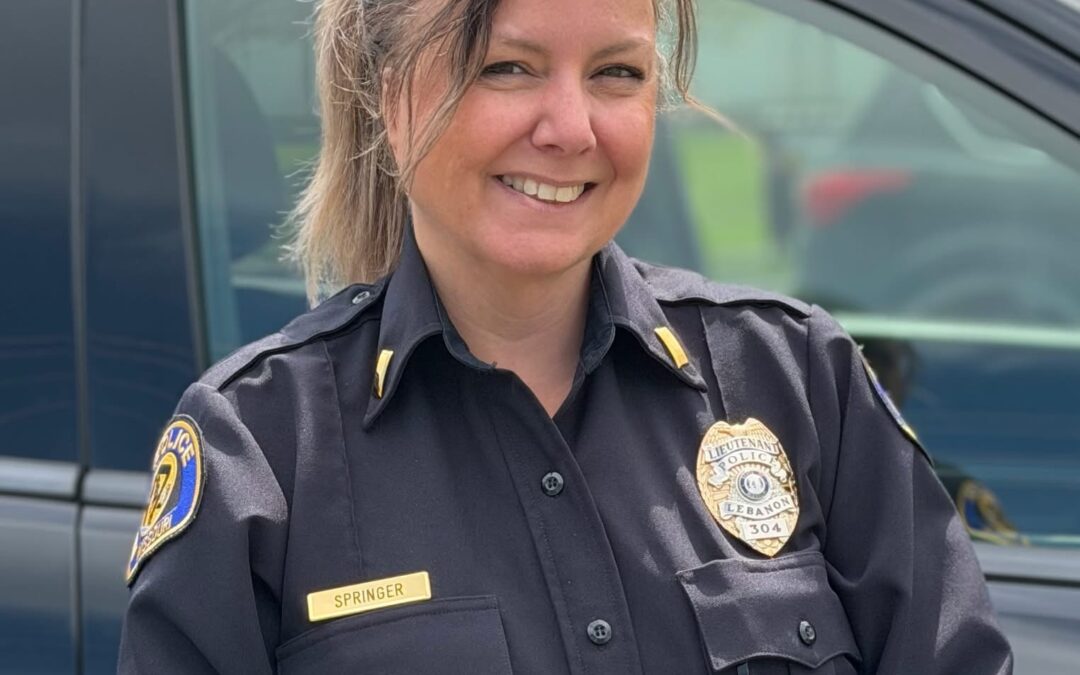
Kacie Springer
Lieutenant with the Lebanon Police Department and Lake Area Cyber Crimes Task Force Commander

Voices of Hope
Every person in this community carries a story worth telling. Voices of Hope features the real people of the Missouri Ozarks who show up for children and families — foster parents, caseworkers, volunteers, survivors, and neighbors who simply refused to look away.
Read more Voices of Hope stories →