My granddaughter and two great nephews aren’t in foster care. I raise them on my disability.
In 2018, I went through my second divorce, and I had a bad accident. My foot was nearly cut off. I’d already had knee replacements, and after five surgeries on my ankle, they fused my foot together.
Up until then, the hotel business had been my life.
I grew up in Soulard in St. Louis, and I’d worked in hotels since I was young. After my first marriage ended, I had two little boys, two and four, and I moved with them and my parents to Rolla, Missouri.
I got a job at the front desk of a small hotel. They wanted me to live there, so they converted two rooms into a little apartment for us. I worked from four in the afternoon until seven in the morning, six days a week. At night I slept. If the bell rang, I got up. I had a home for my boys, so it worked out.
Later I remarried, and we bought a house in Newburg. We had a daughter together, and eventually I was running three hotels near Fort Leonard Wood. I worked six or seven days a week. I’d go in at seven in the morning and sometimes not come home until two or three the next morning.
If my kids wanted to see Mom, they had to come see me at work. And they knew if they did, they were going to be making beds, cutting grass, or doing something.
My mother lived with me most of my life. Her knees were bad, and all I remember is my mom being home. She was a seamstress, and she babysat for everybody. Everybody’s kids were raised by my mom. She basically raised mine.
My nephew had gone to prison, and the mother of his little girl was living across the street from us. She was struggling. She came over one day and asked if I’d take my 13 month old great niece.
I barely knew that baby. But she was family, so I said yes. She grew up in our house with my kids.
After my accident, I couldn’t work anymore. I filed for disability, and my income dropped drastically. I had some savings, and for a couple of years, I traveled. I had friends all over the country from all those years working around Fort Leonard Wood, so I went to see them.
But I was pretty depressed and lonely. My mom had passed away. The kids were grown, so it was just me.
I wanted people at home.
In 2020, I got a phone call from a doctor in town. She told me my great nephew had been staying with her over Christmas break, and she was thinking about trying to get guardianship of him. I said, “What?” I didn’t know what had been going on at home. I told her to send him to me so I could talk to him. It was New Year’s Eve, and school was getting ready to start back up. I told him, “You know you can stay with me. Do you want to try it? Let’s go get whatever stuff you got, and let’s try it.”
So he moved in. I went to the state office and asked what I needed so I could make medical and education decisions for him. Then I filed for guardianship.
I was scared. He was already a big kid, and I was a single woman. I remember thinking, will I be able to handle him when he’s in high school? He’s a senior now. He’s my right hand.
Three months after that New Year’s Eve conversation, I got another call. My nephew didn’t have anywhere to go. I told him I’d take in his little boy, but I couldn’t take him.
Not long after that, the state called about my granddaughter.
I have guardianship through the courts for all three of them now. None of them came through foster care. I raise them on my disability.
I’d been one of the better off people in my community. Everybody knew I had a good job. I went from wearing suits and managing hotels to standing in line at a food pantry.
The first one I went to, I looked around at everybody else in line.
I thought, “Man, this ain’t me.”
I felt like I had a label now because I was going to these places. People would even say to me, “You don’t need this. Why are you here?”
But kids outgrow clothes. They outgrow shoes. They have to eat. So I started getting clothes from places that give them out for free. I got them on Medicaid. I applied for food stamps. I use community and respite events when there are things I can’t afford to do with the kids.
I utilize anything I can find.
I go to the local food distributions. I volunteer when I can to pass out food, and then I get in the line.
I get food stamps, but I have big eaters. And there are other kids around all the time. Neighborhood kids come over and ask if they can have dinner. My nieces and nephews and their kids are around a lot, too. Somebody is always asking if they can spend the night.
Last year, I took ten of us to Florida. I have a friend who lives in Destin, and she had enough room for everybody to sleep. We found plenty to do. The ocean’s free. We went for six days, and I spent about $1,500 for all ten of us.
I’ve kept all my paperwork from my guardianships. If somebody needs help with guardianship papers, an uncontested divorce, or other court paperwork I’ve already dealt with, I can usually show them what I did. In the last few years, I’ve probably walked 20 or 30 of my nieces and nephews through the court process. I help them get a public defender. I make sure they know when court is. Sometimes I pick them up and take them.
The ones who are having drug problems or legal problems are not moving in with me. I’ve done that before. I can help them figure out what they need to do, but they can’t live with me.
One of the hardest parts of guardianship for me has been working with the children’s parents because they’re family, too. I try to include them. I want them to spend time with their kids. I invite them over. Sometimes it backfires.
It’s a struggle. I have learned to let most things go in one ear and out the other.
I’m 60 now. My parents are gone. My older brother and sister are gone. So I’m the oldest one left. I feel like taking care of the family is up to me.
A grandparent is often the one there when a child needs someone to step in. Usually, there isn’t a plan. A child needs somewhere safe to be, and somebody calls someone in the family they know will be there.
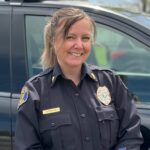
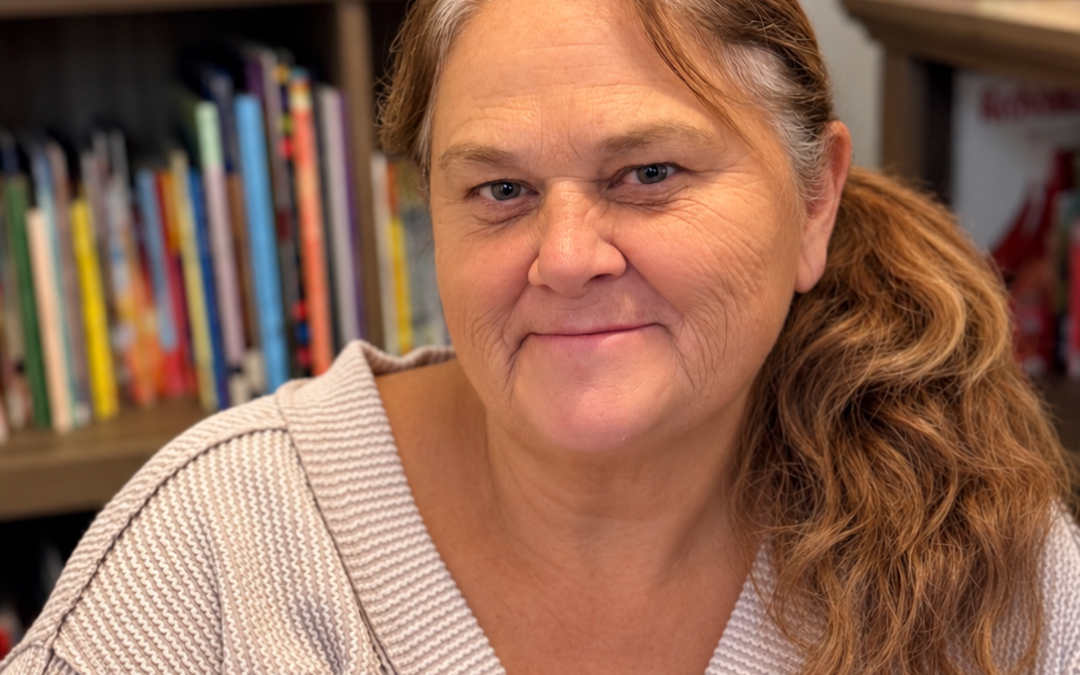
Glenda Richardson, guardianship caregiver

Here's how this story is reaching our community.

Voices of Hope
Every person in this community carries a story worth telling. Voices of Hope features the real people of the Missouri Ozarks who show up for children and families, foster parents, caseworkers, volunteers, survivors, and neighbors who simply refused to look away.
Read more Voices of Hope stories →