Two days after I turned three, I had a complete hysterectomy.
I was born on Altus Air Force Base while my mom was in the military and my dad was in the Air Force. Three months later we moved back to Lebanon, where both sides of my family were from. This has always been home.
When I was two and a half, I was diagnosed with a cancer so rare that only about 350 kids in the United States get it in any given year. They went in two days after my third birthday and took everything the cancer might have touched. When they opened a world registry for rhabdomyosarcoma so doctors could share what they were learning, I was the 23rd person in the world to access it.
My mom described the tumor to me later. She said the bottom part looked like someone had taken a vine of grapes and smashed it. That was the part the chemo had killed. The top part was still alive. When they cut it open, there was a small pink thing in the center, no bigger than the tip of her pinky finger. She didn’t know what it was. They told her that was my uterus.
They took my fallopian tubes, my cervix, my appendix. They left one ovary. Because of that one ovary, nobody could legally label me infertile. The word they used was fertility impaired. I started menopause at 14.
My mom was honest with me about all of it from the beginning. She felt like the more she talked about it, the more I’d understand it.
Devon and I met as sophomores at Lebanon. When he proposed, I looked at him and said, are you sure you want to do this. Because this is not going to be easy. He said yes. I still don’t think he fully understood what that meant. He’ll tell you the same thing.
When we were 19, my last ovary started to die. We were both away at college. We started the process to freeze embryos. We applied for grants and sat through appointments no nineteen year olds are prepared for. One by one the donors dropped out. One dropped because we didn’t have credit scores. We were 19. One dropped because I was post-treatment. My mom had offered to be our surrogate. A year after we backed off, she had a hysterectomy too.
I looked at Devon and said, I can’t do this.
Adoption had always been part of the plan. We were looking into it at the same time we were trying everything else. When the other doors closed, we looked more seriously. Private adoption wasn’t happening anytime soon as young newlyweds. So we signed up for foster care classes.
I left the first one furious. They walked us through all the reasons children come into care. I walked out thinking, why can people who cause so much pain just have kids and I can’t. Devon said, let’s finish the classes, and if you still feel the same way we won’t go back. So I went back.
One of the middle classes was about trauma. Someone stood up and said, trauma is trauma is trauma. And something shifted. I hadn’t been abused or neglected, but I had dealt with a lifetime of things a child is never supposed to go through. I started to understand how the brain maps pain. How your experience shapes the way you move through the world.
She called me at 7:15 in the morning. I was at school. My students were already filing in. Our licensing worker had two brothers, four and three, that needed placement. I had a rule that I had to call Devon before I said yes to anything because I’d say yes to everything. I called him. That afternoon we drove to a McDonald’s in Camden County and picked up two boys from the family they were staying with. That was February of 2020. Those boys are our sons now.
We came into this completely unprepared for what we were actually walking into. We had to learn fast. We watched every webinar we could find. We read everything. We showed up to school meetings with stacks of research, because what these kids carried into a classroom didn’t look like what most people had been trained to recognize. Pain doesn’t always look like pain. Sometimes it looks like something else entirely. And if you don’t know how to read it, you’ll respond to the wrong thing every time.
We had to help the people who loved our kids see what we were seeing. That took time. It took patience we didn’t always have. It took their psychiatrist saying things out loud in a room full of educators before anyone believed us. But once we got there, once someone was willing to try something different and it worked, a small door opened. And we walked through it every chance we got.
Devon and I are both teachers. We run our classrooms differently than we used to. When we get a kid who isn’t behaving the way you’d expect, we dig in. We can’t not. It doesn’t mean we think there shouldn’t be consequences. It means our approach is going to be different, because we want it to actually change something. If you’re not consequencing to teach, you’re punishing. And punishment is not education.
I tell my fourth graders at the start of every year that fair and equal aren’t the same thing. I hand everyone a band aid. Someone has a headache. Someone has a cut. Everybody gets one. I say, this isn’t going to fix it, is it. They say no. I say, but it’s equal. Then we redo it the fair way. If kids can understand that, I don’t know why the rest of us find it so hard.
When people tell me I chose this life, I tell them what I chose was to love a child. That child just happens to come with what they come with. I’m not going to stop loving a child because of what they carry. I didn’t get to choose what I had to carry.
And neither did they.
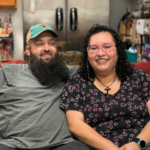
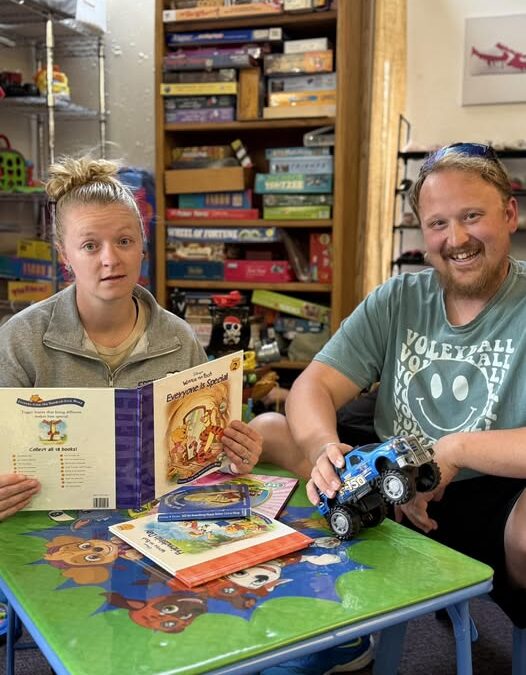
Devon and Megan Zimdars
Adoptive Parents
Voices of Hope
Every person in this community carries a story worth telling. Voices of Hope features the real people of the Missouri Ozarks who show up for children and families — foster parents, caseworkers, volunteers, survivors, and neighbors who simply refused to look away.
Read more Voices of Hope stories →