A lot of moms second guess everything. I do too.
I was born and raised in Lebanon. I had a good childhood here. This has always been my community.
After graduation I went to cosmetology school in Springfield. I thought it was what I wanted, but after working for about a year I realized it wasn’t where I was meant to be.
With a son already at home, I made the decision to go back to school, this time for education. I kept working while taking classes. My daughters came along before I finished. It took longer than four years, but I earned my degree.
I became a para at Joel E. Barber. It’s a small K through 8 school. I knew the kids. I knew their families. When I saw something that worried me about a child I did what I could do from where I was. We made calls. We reported. But I never felt like I was seeing the outcome. I wanted to follow it further than my role would let me.
People I love have struggled with addiction. I’ve seen what that does to a person and how hard it is to climb out of. So when a teacher I knew made a shift to children’s division, I paid attention. I always thought you needed a specific degree to do that kind of work. If she could do it, so could I.
I started as an investigator. That work is crisis intervention at its purest. You go in and help in that moment. But I wanted to be part of the whole story. So I made another shift, this time to foster care case management.
Now I get to walk with families through it. I’ve had cases close months ago and still talk to some of the moms a few times a week. I don’t walk into anybody’s house with my mind already made up.
When a mom calls me to go over a decision she already knows is right, I get it. A lot of moms second guess everything. I do too. So they’ll say it out loud, and I just say, yes, that sounds like a good plan.
Like most kids play school, my eight year old plays caseworker at home. She gets on the phone, very serious, taking care of her people. I’m not even sure what she thinks I do all day. She just knows I have kids I look after, that I talk to their parents and go see them.
Most of the time, the biggest barrier isn’t effort. It’s housing. You have to have a home for your child to come home to. Sometimes that looks like living with family until you can get back on your feet.
You have to be right there with them. I’ve seen parents grow. I’ve seen what happens when people have support. It takes a whole team supporting a family, including the parents.
Nobody puts their family back together alone.
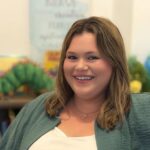
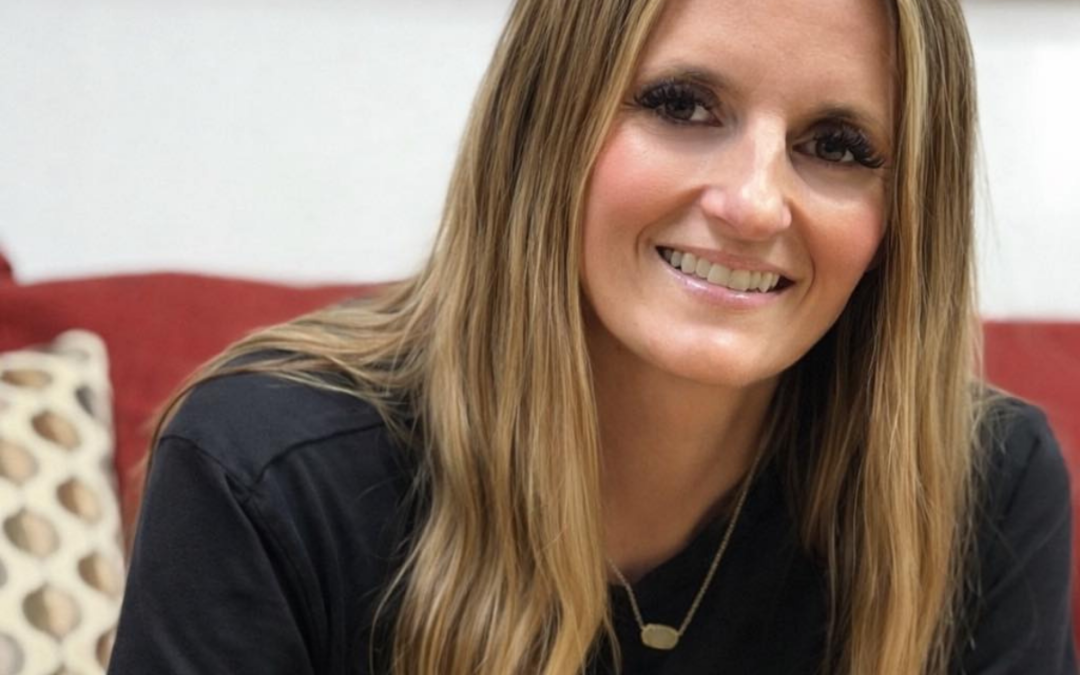
Krysta McKinney
Foster Care Case Manager, KVC Missouri
Voices of Hope
Every person in this community carries a story worth telling. Voices of Hope features the real people of the Missouri Ozarks who show up for children and families — foster parents, caseworkers, volunteers, survivors, and neighbors who simply refused to look away.
Read more Voices of Hope stories →