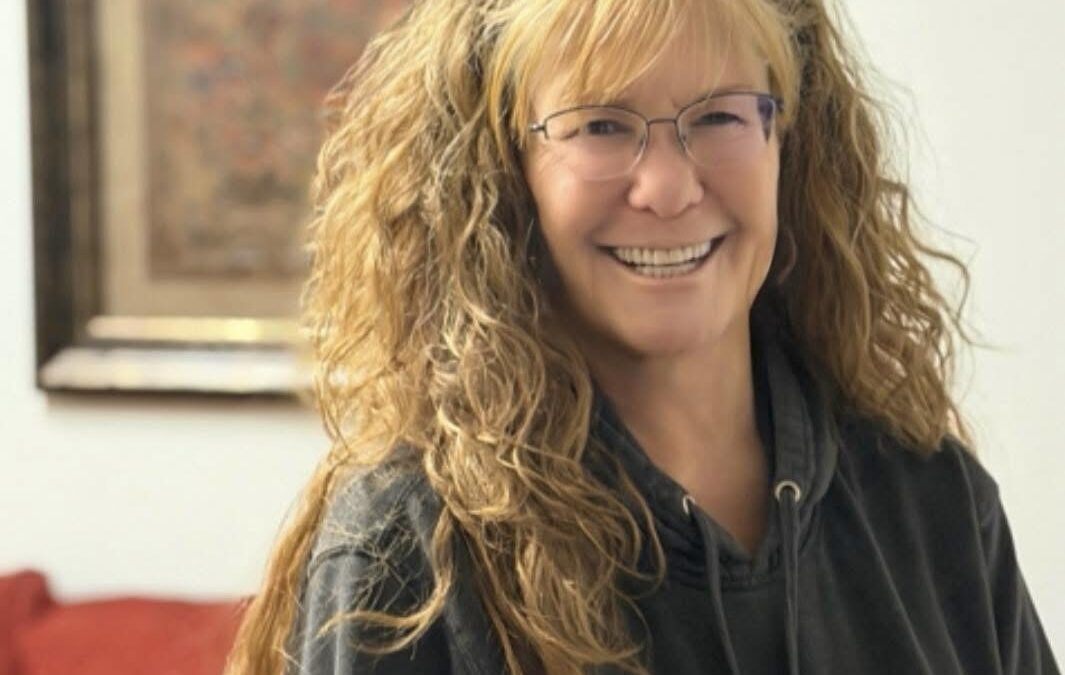
I love my job.
I was born in Ohio. My family moved to Palm Beach Gardens, Florida when I was very young. I grew up in the best community. They would shut down one side of the street during school hours so all the kids could safely walk and ride their bikes to school. It was a community that focused on family and supporting your neighbors. Maybe that is where my passion for kids and family started.
My parents moved our family quite often, but they always kept us in the same area so we could stay in our school, our youth groups, our sports teams. I know firsthand how important it is to help a child remain in the community where they have support, regardless of what life throws at them. My parents were married 59 years before my dad passed.
I attended the University of Florida, earned a bachelor’s in psychology, and quickly learned that degree was not going to land me the high paying job of my dreams. I went back to Gainesville and purchased the gymnastics company where I had worked my senior year of college. I ran it for about five years and then sold it. After that, Vegas. Then Texas. Then Missouri. I was in the mortgage business for over a decade until life changed. I saw a posting for caseworker and thought, well, that’s what my degree is in. Maybe I should give this a shot. Twenty plus years after graduating college, I finally got a job using my degree.
That was 2010. I’m still here. And I love the children and families I work with side by side as they navigate the road to reunification, guardianship, or adoption.
I believe in the family unit and doing all you can to preserve it. I also understand that sometimes it is not an option to keep the family intact, and that is when your community and lifelong supports become everything. My wheelhouse was always the biological parents. Encouraging them. Challenging them. Pouring into them with non-judgmental support. Someone wrote it on a chalkboard once and I kept it all these years: “Franki gives people a new start every single day.” Because the kids want to go home. That is what they want more than anything. And you can’t help a family get there if you aren’t in there long enough to make a real connection. Kids and families deserve consistency and connection as they work through the hardest moments of their lives.
At one point I had 52 kids on my caseload. My supervisor and I sat down and did the math. It was 99 home visits a month. And that was before court hearings, family support meetings, trainings, paperwork, and travel.
Now I do licensing and recruitment.
Sometimes I overhear caseworkers call home after home after home looking for a placement for a teenager. Can you take this teen? No. Can you take this young lady? No. Do you have the room for this young man? No.
You have a kid sitting in that office listening to fifty people say no to them.
Or you have a sibling group of a four year old and a twelve year old, and that twelve year old is sitting there listening to thirty families say I’ll take the four year old but not the twelve year old.
These kids are not just being taken from a home. They are being separated from everything they know all at once. How I wish every community had enough families willing to open their homes that when a child is removed from their family, they can still ride the bus to the same school on Monday morning. Still wear their jersey and play with their team on game day. Sit next to their best friend at lunch and have someone they trust to talk to about what they have been through. These kids need grace, patience, love, understanding, and support.
They’ve lost enough. They shouldn’t have to lose everything familiar too.
These are our kids. They are part of our community. And once we start seeing them that way, everything changes.
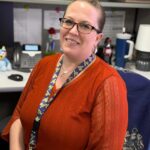
Franki Boyd-Tapp
Licensing worker, recruiter, and foster care advocate with Children’s Division
Voices of Hope
Every person in this community carries a story worth telling. Voices of Hope features the real people of the Missouri Ozarks who show up for children and families — foster parents, caseworkers, volunteers, survivors, and neighbors who simply refused to look away.
Read more Voices of Hope stories →